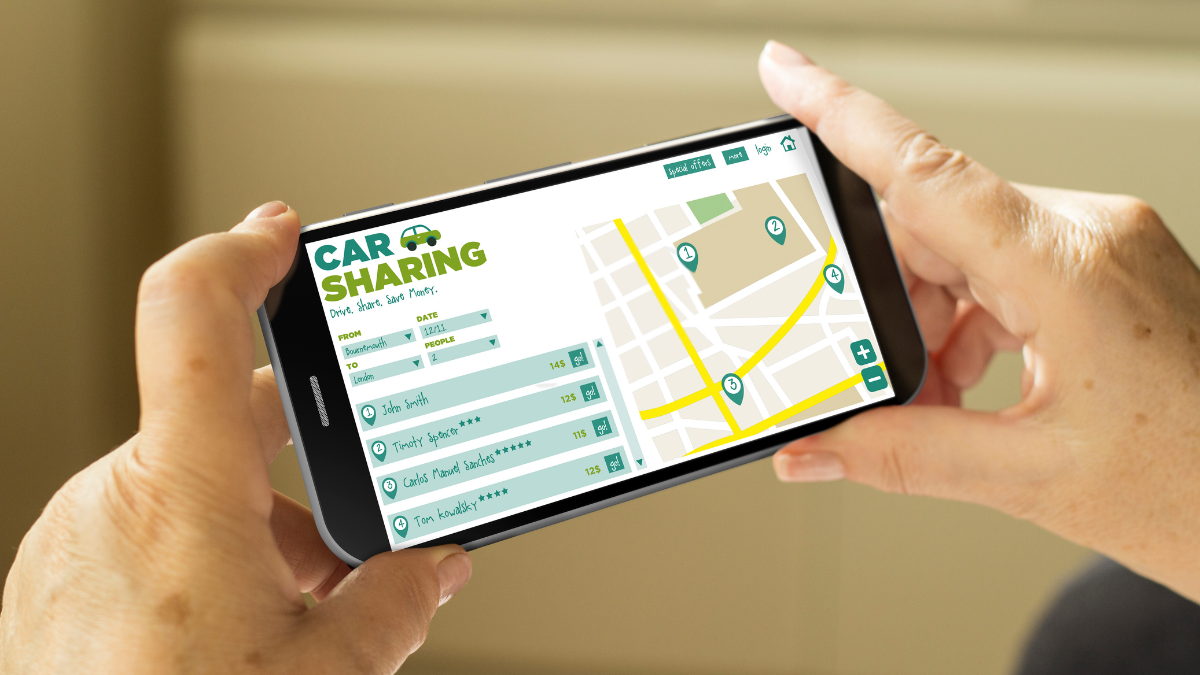
Owning a car can feel like feeding a parking meter that never stops running. Gas prices rise, insurance bills stack up, and maintenance surprises always seem to show up at the worst time. That’s one reason car sharing apps continue to grow across major cities and college towns in the United States.
These apps give you access to vehicles for a few hours, a full day, or even longer without dealing with long-term ownership costs. You unlock a car with your phone, drive where you need to go, and return it when you finish. Some services focus on short city trips, while others offer luxury vehicles, electric cars, or family SUVs.
According to the North American car sharing report by INVERS, the region now includes millions of registered users and tens of thousands of shared vehicles across multiple operators.
If you drive occasionally or want an alternative to traditional rentals, these platforms can make daily travel easier.
Car Sharing Apps Make Urban Driving More Flexible
Car sharing apps work best when you need a car occasionally instead of every single day. You reserve a vehicle through an app, unlock it digitally, and pay based on time or mileage.
Most platforms include:
- Insurance coverage
- Mobile unlocking features
- Fuel policies
- Roadside assistance
- Hourly or daily booking options
Zipcar remains one of the biggest names in this space. The company gives members access to cars parked around cities and university campuses. According to Zipcar’s official pricing page, memberships start with monthly or annual plans, and reservations are charged separately by the hour or day.
Turo uses a different model. Instead of company-owned vehicles, private owners list their cars through the platform. That setup gives you more variety, including luxury sedans, pickup trucks, and electric vehicles.
Getaround focuses on quick digital access with phone-based unlocking. The company advertises instant rentals with insurance included and around-the-clock access.
Best Car Sharing Services Compared for Everyday Drivers
Different services fit different lifestyles. A college student usually needs something different from a business traveler or rideshare driver.
Here’s a quick comparison of popular car rental apps and shared mobility platforms.
| Service | Best For | Pricing Style | Notable Feature |
| Zipcar | Hourly city driving | Membership + hourly fees | Fuel included |
| Turo | Road trips and unique vehicles | Daily pricing | Large vehicle selection |
| Getaround | Instant short trips | Hourly or daily | App-based unlocking |
| Enterprise CarShare | Corporate users | Membership + usage fees | Reliable fleet access |
| HyreCar | Gig drivers | Daily or weekly rates | Ride-hailing compatible |
A recent comparison from Savings Grove estimated average Zipcar pricing around $7 to $9 monthly plus hourly reservation costs. Turo rentals often start around $30 daily depending on vehicle type and location.
Those numbers vary by city, season, and vehicle demand, so checking the app before booking always helps.
Cheap Car Sharing Options Can Reduce Transportation Costs
One major reason people switch to shared mobility services is cost.
Research comparing ownership versus sharing found that many Americans spend over $12,000 yearly owning a car after insurance, parking, fuel, maintenance, and depreciation.
Drivers who only use a vehicle occasionally often save money through car sharing.
For example:
- A city resident using public transportation during the week may only need a car on weekends
- College students can avoid campus parking fee
- Families may replace a second vehicle with occasional rentals
- Remote workers can avoid monthly car payments entirely
A transportation consultant interviewed for a mobility webinar in 2025 explained that occasional drivers usually benefit most from shared fleets because fixed ownership costs stay high even when a vehicle sits unused most days.
That matches real-world experiences shared across forums and Reddit discussions. Many users say they spend less overall after switching to flexible booking services instead of maintaining a rarely used vehicle.
Peer-to-Peer Car Sharing Gives You More Vehicle Choices
Peer-to-peer car sharing works differently from traditional fleet rentals.
Instead of renting from a company-owned lot, you borrow a vehicle directly from another person through an app marketplace. Turo became one of the most recognized names using this model.
That setup creates more variety.
You can often find:
- Luxury sports cars
- Electric vehicles
- Pickup trucks
- Vans for moving
- Economy sedans
- Vintage cars
A weekend traveler recently shared an experience renting a Tesla through Turo in Los Angeles for less than a premium rental agency charged for a midsize sedan. The delivery option also saved time at the airport.
Still, peer-to-peer services come with trade-offs.
Vehicle quality can vary between hosts. Cleaning standards differ. Some hosts add mileage restrictions or delivery fees. Reading reviews carefully helps avoid surprises.
Car Rental Apps Work Best in Certain Cities
Availability changes dramatically depending on location.
Large metro areas usually offer the best experience because vehicles stay close together. College towns also perform well due to heavy student demand.
Popular markets include:
- New York City
- San Francisco
- Chicago
- Boston
- Seattle
- Washington, D.C.
According to industry data from INVERS, North America continues expanding both station-based and peer-to-peer car sharing networks across urban regions.
Smaller towns may offer fewer choices, longer walking distances to pickup spots, or limited availability during weekends.
That’s one of the biggest complaints from users outside major cities.
Shared Mobility Services Still Have Downsides
Car sharing sounds convenient, though it is not perfect for everyone.
Some users run into:
- Limited vehicle availability during holidays
- Extra cleaning fees
- Parking return rules
- Insurance deductibles
- Surge pricing during peak demand
Getaround also faced criticism tied to vehicle security issues in earlier years. Reports highlighted concerns involving stolen cars and device tampering.
That does not mean the platform is unsafe overall, though it shows why reading terms and understanding insurance policies matters.
Another issue involves spontaneity.
Owning a personal vehicle still feels easier for people who drive daily or need guaranteed access without booking ahead.
Car Sharing for Students and Remote Workers Keeps Growing
College students and remote workers continue driving growth in the car sharing market.
Students often avoid:
- Expensive insurance premiums
- Campus parking permits
- Maintenance costs
- Long-term ownership commitments
Zipcar specifically expanded near hundreds of universities across the United States.
Remote workers also benefit because commuting patterns changed significantly after hybrid work became common.
Someone working from home four days weekly may only need occasional transportation for appointments, shopping, or short trips.
That makes monthly car ownership costs harder to justify.
Electric Vehicles Are Expanding Across Shared Mobility Platforms
Electric vehicles now appear more frequently inside car sharing fleets.
Turo hosts list Teslas regularly, while several city-based operators continue adding EV models to reduce fuel expenses and emissions.
Drivers interested in testing electric cars before purchasing often use car sharing first.
That approach helps you learn:
- Charging habits
- Battery range
- Driving feel
- App controls
- Real-world convenience
Several users mention that short-term EV rentals helped them decide if full electric ownership matched their lifestyle.
That type of low-risk trial period can be genuinely useful.
How to Choose the Right Car Sharing App
Choosing the best option depends on your driving habits more than flashy marketing.
Ask yourself:
- How often do you drive?
- Do you need hourly or daily access?
- Is parking difficult in your area?
- Do you need specialty vehicles?
- How important is instant booking?
Short local trips usually fit Zipcar or Getaround-style systems.
Longer vacations often fit Turo better.
Gig workers may lean toward HyreCar or TripCity because those services support rideshare and delivery driving.
Checking cancellation fees, insurance coverage, mileage limits, and customer reviews before booking can prevent frustration later.
Car Sharing Apps Continue Changing Urban Transportation
Car sharing apps now play a major role in modern transportation, especially in crowded cities where parking costs and ownership expenses continue climbing.
These services give you flexibility without locking you into monthly car payments or maintenance headaches. Some platforms focus on convenience, while others focus on vehicle variety or short-term affordability.
The best choice depends on how often you drive and what kind of trips you take most often.
If you currently pay for a car that spends most of its time parked, testing one of these services for a month could help you decide if ownership still makes sense for your lifestyle.
A few smart bookings might save you more money than expected.
Leave a Reply