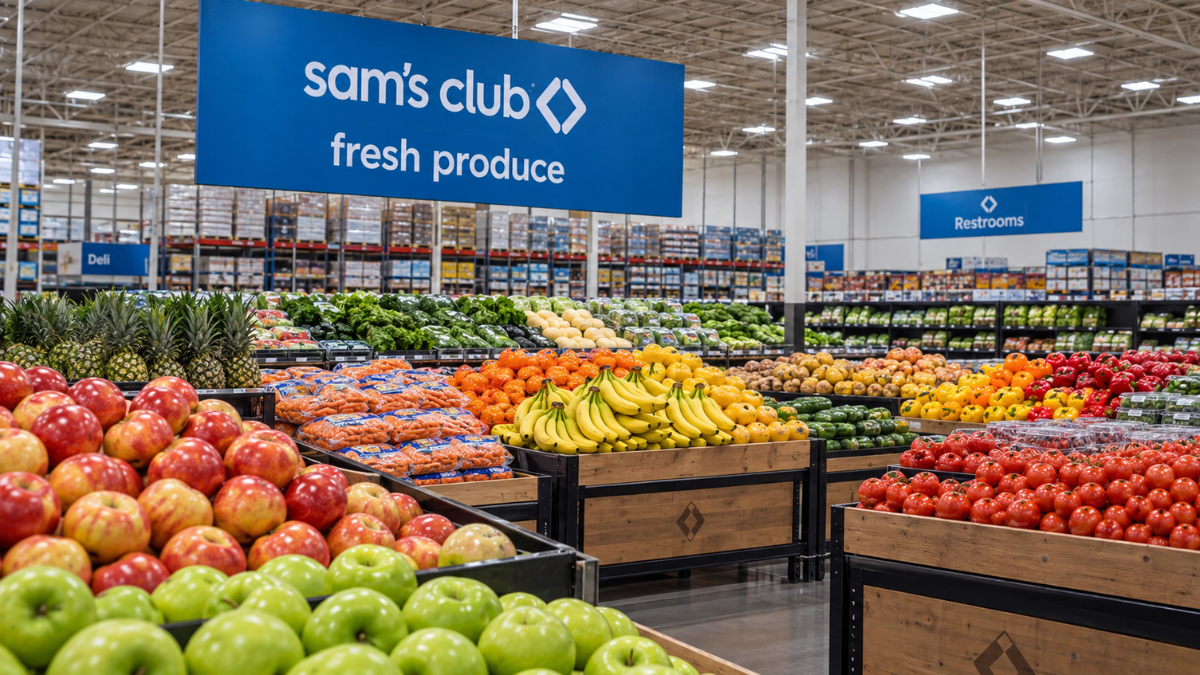
For health-focused shoppers, keeping the refrigerator stocked with fresh fruits and vegetables can get expensive.
From everyday fruits and salad staples to seasonal produce, Sam’s Club can be particularly appealing to families, meal preppers, and anyone who goes through fresh ingredients quickly. But are the larger packages actually a good deal?
Why Shop for Produce at Sam’s Club?
One of the biggest advantages of shopping at Sam’s Club is quantity. Many fresh foods are sold in packages designed for households that consume produce regularly.
For health-conscious shoppers, that can make stocking up more convenient. Instead of buying just a few pieces of fruit or a small package of vegetables, you may be able to purchase enough for several days of breakfasts, lunches, snacks, smoothies, and dinners in one trip.
Bulk quantities can also offer attractive value. However, the lowest price per unit only becomes a real bargain if you can use the produce before it spoils.
What Kind of Produce Does Sam’s Club Sell?
The exact Sam’s Club produce selection can vary by club, location, availability, and season. Shoppers may encounter a broad assortment of fresh fruits and vegetables, including popular staples such as:
- Apples, bananas, oranges, grapes, berries, and other fruits
- Avocados and tomatoes
- Lettuce, salad greens, and packaged salad options
- Broccoli and other fresh vegetables
- Potatoes and onions
- Seasonal fruits and vegetables
Selection and packaging can change, so shoppers looking for a particular item should check their local club or Sam’s Club’s current online listings before making a special trip.
Are Sam’s Club Produce Deals Worth It?
They certainly can be, but value depends on more than the sticker price.
A large package with an attractive per-pound or per-item price makes sense when your household will actually eat it. A bulk container that gets thrown away halfway through may ultimately cost more than purchasing a smaller amount elsewhere.
Before buying, compare the unit price with your usual grocery store and ask yourself how quickly you can realistically use the item.
For example, produce that fits into several meals may be easier to justify than an ingredient you need for only one recipe.
Sam’s Club Produce for Healthy Meal Prep
Meal prepping is one situation where buying produce in bulk can shine.
Fresh fruit can be incorporated into breakfasts, snacks, and smoothies, while vegetables can become the foundation for salads, sheet-pan dinners, stir-fries, soups, and side dishes.
A simple strategy is to choose ingredients that work across several meals. Instead of purchasing lots of unrelated produce, consider versatile foods you already know your household enjoys.
For example, salad greens can work for lunches and dinner sides, berries can complement breakfast or snacks, and vegetables can be divided among multiple recipes.
This approach helps health-focused shoppers get more value from bulk produce while reducing the risk of food waste.
Fresh Fruit at Sam’s Club
Common everyday fruits can make convenient grab-and-go snacks, while berries and other varieties work well with oatmeal, yogurt, smoothies, and other meals.
The key is to inspect fresh fruit carefully and consider shelf life. Some fruits last considerably longer than others, so buying a large quantity of highly perishable fruit requires a plan.
If you find a strong Sam’s Club fruit deal, think about how you’ll use the entire package—not just whether the initial price looks appealing.
Fresh Vegetables at Sam’s Club
Bulk vegetables can also offer good value for shoppers who cook frequently.
Vegetables that appear in several dishes during the week are often the easiest bulk purchases to manage. If you regularly prepare salads, roasted vegetables, soups, or meal-prep bowls, larger packages can save repeat grocery trips.
Storage matters here, too. Some vegetables hold up well for days or weeks under the right conditions, while delicate greens may need to be eaten relatively quickly.
How to Find the Best Sam’s Club Produce Deals
Prices and availability aren’t necessarily identical at every location, and seasonal changes can affect what you’ll find.
A few simple habits can make produce shopping more cost-effective:
Compare unit prices. Don’t assume bulk automatically means cheaper. Compare the cost per pound, ounce, or item whenever possible.
Buy quantities you’ll actually eat. A bargain stops being a bargain when a significant portion ends up in the trash.
Plan meals before shopping. Knowing what you’re cooking makes it easier to choose bulk packages that will get used.
Consider seasonality. Produce selection and value can shift throughout the year, so keep an eye on seasonal options.
Check current local pricing. If you’re shopping specifically for a deal, review the latest availability and price for your club rather than relying on an old advertised price.
The Potential Downsides of Buying Produce in Bulk
Sam’s Club produce won’t be the best choice for every shopper.
Package size is the obvious drawback. A single person or small household may struggle to finish certain fruits and vegetables while they’re still fresh.
Bulk shopping can also encourage overbuying. A low unit price can look irresistible in the store, but purchasing more food than you need isn’t necessarily saving money.
Finally, produce is naturally variable. Quality, ripeness, selection, and availability can differ by item and shopping trip. Inspecting what you’re buying remains important regardless of where you shop.
Who Gets the Most Value From Sam’s Club Produce?
Bulk produce tends to make the most sense for:
- Families that consume plenty of fruits and vegetables
- Health-focused households
- Regular smoothie drinkers
- Meal-prep shoppers
- People cooking for groups
- Shoppers who can freeze or otherwise preserve extra produce
Smaller households can still find worthwhile deals, especially on longer-lasting items, but should be more selective with highly perishable products.
Is Sam’s Club Produce a Good Deal?
The combination of larger packages, convenient selection, and potential unit-price savings can make it easier to keep nutritious ingredients on hand.
The catch is simple: bulk savings only work when you use what you buy.
Rather than loading your cart solely because something appears inexpensive, compare prices, inspect freshness, consider shelf life, and choose quantities that match your household’s eating habits.
For families and dedicated meal preppers, the produce section at Sam’s Club may be well worth checking for current deals. For smaller households, choosing bulk items selectively can help capture the savings without creating unnecessary food waste.
Frequently Asked Questions About Sam’s Club Produce
Does Sam’s Club sell fresh produce?
Yes. Sam’s Club carries fresh fruits and vegetables, although exact selection and availability can vary by club and season.
Is produce cheaper at Sam’s Club?
It can be. Bulk packages may provide competitive unit pricing, but shoppers should compare current prices with other stores. The best value depends on the product, quantity, local pricing, and how much your household can consume.
What fruits can you buy at Sam’s Club?
Selection varies, but shoppers may find everyday and seasonal fruits such as apples, bananas, citrus, grapes, berries, and other varieties depending on location and availability.
Is Sam’s Club produce good for meal prep?
Bulk produce can be particularly convenient for meal prep because larger packages can supply ingredients for several meals. Choosing versatile fruits and vegetables that you regularly eat can help minimize waste.
How can I save money on Sam’s Club produce?
Compare unit prices, check current local deals, plan meals before shopping, inspect produce for freshness, and avoid buying quantities you won’t finish.
The biggest savings generally come from purchasing foods your household already consumes regularly.
Should small households buy produce at Sam’s Club?
It depends on the item. Longer-lasting produce or foods you consume frequently may make sense, while large packages of highly perishable fruits and vegetables can be harder to finish.
Comparing package size, shelf life, and unit price can help you decide.
Leave a Reply