Affiliate Disclosure: Wise Choice Lab participates in the eBay Partner Network (EPN). This article may contain affiliate links, and we may earn a commission if you make a qualifying purchase through those links, at no additional cost to you. Our editorial content is created independently and is not influenced by our affiliate partnerships.
Collectibles can be exciting investments, whether you’re shopping for trading cards, sports memorabilia, coins, comic books, or vintage toys. However, the growing popularity of collectibles has also increased the number of counterfeit items being sold online.
Before spending your money, it’s important to take a few extra steps to confirm that the item is genuine. These practical tips can help you identify authentic collectibles and avoid costly mistakes when buying on eBay.
Verify the Seller’s Reputation and Experience
The first step in any safe collectible purchase is evaluating the seller.
Reputable sellers typically have a long history of positive feedback and demonstrated expertise within their niche. Before purchasing, review their ratings, read recent customer comments, and examine the types of items they regularly sell.
Sellers who specialize in trading cards, sports memorabilia, coins, or vintage collectibles are often more familiar with authentication standards than general sellers. A strong reputation built through years of successful transactions is one of the best indicators of trustworthiness.
Examine Photos and Physical Details Carefully
High-quality photos can reveal valuable clues about an item’s authenticity.
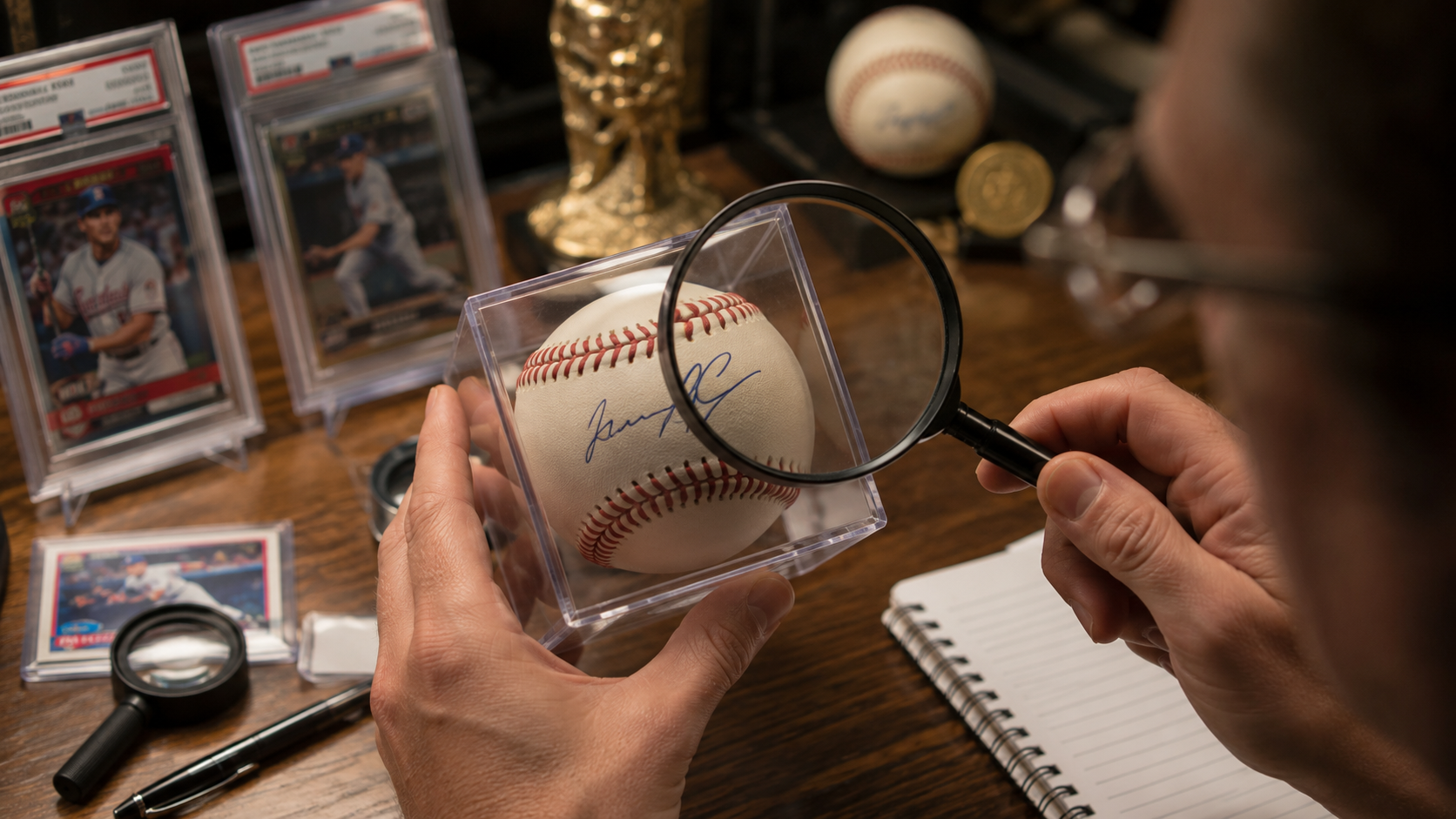
Look for clear images showing serial numbers, signatures, holograms, labels, and condition details. Counterfeit items often contain subtle flaws that become visible when examined closely, including:
- Inconsistent signature styles
- Blurry or incorrect QR codes
- Misaligned holograms
- Poor print quality
- Incorrect fonts or logos
Trustworthy sellers usually provide multiple photos from different angles and are willing to share additional images when requested. Compare the listing photos with verified authentic examples whenever possible.
Research Market Values Before Purchasing
If a deal looks too good to be true, it often is.
Compare the asking price with recently sold listings and current market values for similar authenticated collectibles. Significant price differences may indicate counterfeit items, undisclosed damage, or other issues.
Understanding the fair market value of a collectible helps you recognize suspicious listings and avoid overpaying for legitimate items.
Verify Certificates of Authenticity
Third-party authentication adds an important layer of protection.
Well-known grading and authentication services include:
- PSA (Professional Sports Authenticator)
- Beckett
- JSA (James Spence Authentication)
- CGC
- NGC
- PCGS
These organizations employ experts who examine collectibles and verify authenticity using established industry standards.
If a seller provides a certificate from an unfamiliar company, research that organization before relying on its assessment. Not all certificates carry the same level of credibility.
Check Authentication Features and Online Databases
Many modern collectibles include built-in security features designed to prevent counterfeiting.
Common authentication tools include:
- Serial numbers
- Holographic labels
- QR codes
- Security seals
Whenever possible, verify these identifiers through official manufacturer databases or authentication websites. Many brands and grading services offer online verification systems that allow collectors to confirm authenticity quickly.
Take Advantage of eBay Authentication Services
eBay offers authentication services for select collectible categories.
Eligible items are inspected by independent experts before being delivered to the buyer. This additional verification step can significantly reduce the risk of purchasing counterfeit merchandise.
If authentication is available for the item you’re considering, it’s worth factoring this added protection into your buying decision.
Read Item Descriptions Thoroughly
A detailed listing often reflects a knowledgeable and transparent seller.
Pay attention to how the seller describes authenticity, condition, ownership history, and any previous grading or authentication services.
Be cautious of vague statements such as:
- “Looks authentic”
- “Appears original”
- “Probably genuine”
Instead, look for specific information regarding provenance, certification, acquisition history, and condition details.
If anything seems unclear, contact the seller directly. Legitimate sellers generally welcome questions and provide detailed responses.
Learn Common Counterfeiting Methods in Your Category
Every collectible category has its own authentication challenges.
For example:
- Trading cards may feature fake holograms or incorrect card stock.
- Sports memorabilia often involves forged signatures.
- Vintage toys may contain incorrect manufacturing marks.
- Comic books can include reprinted covers or altered pages.
Spend time researching common counterfeit indicators within your specific collecting niche. Collector forums, hobby communities, and professional authentication services often publish valuable guides and examples of known fakes.
Protect Yourself During the Transaction
Always complete purchases through eBay’s official checkout system and approved payment methods.
These protections can help you recover funds if an item is later determined to be counterfeit or significantly different from its description.
Avoid off-platform transactions or payment methods that bypass eBay’s buyer protection policies. Using official channels creates a documented transaction history and provides access to dispute resolution if problems arise.
Knowledge Is Your Best Defense
Authenticating collectibles requires a combination of research, patience, and attention to detail. By evaluating sellers, reviewing photos carefully, verifying certifications, and understanding common counterfeit tactics, you can purchase with greater confidence and reduce the risk of fraud.
Taking a few extra minutes before buying can protect both your collection and your investment for years to come.
Leave a Reply